How to Select High-Quality Wind Turbine Gearbox Suppliers: A Practical Guide for Procurement Professionals (2026)
Introduction
The gearbox is a critical component in wind turbine drivetrains, responsible for converting low-speed rotor rotation into high-speed generator rotation. Selecting the right gearbox supplier directly affects turbine reliability, maintenance costs, and overall energy output. This guide provides procurement professionals with a step‑by‑step methodology to evaluate and select gearbox suppliers that meet technical, quality, and supply chain requirements.
Step 1: Understand Gearbox Types and Applications
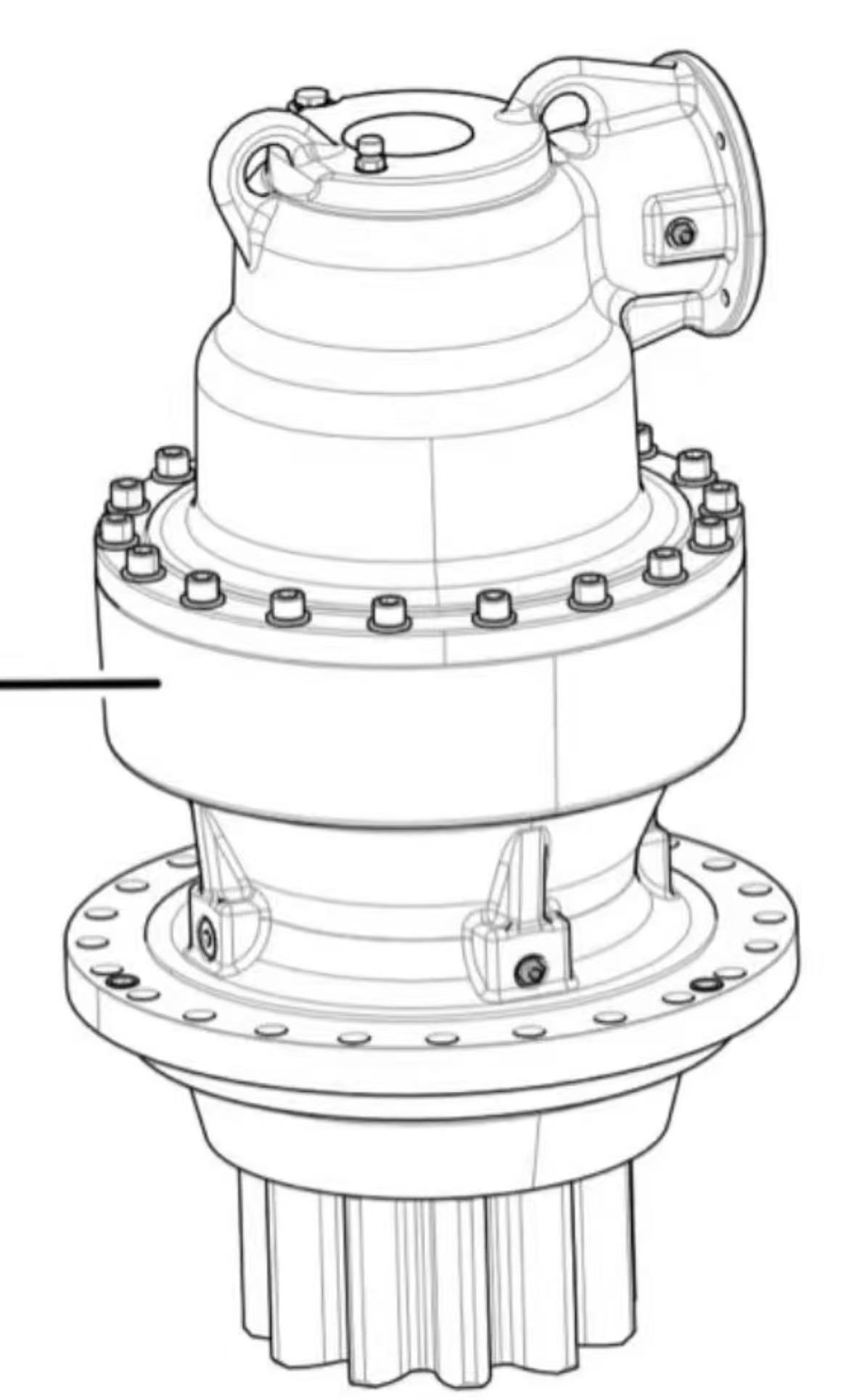
Wind turbine gearboxes come in multiple configurations, including yaw gearboxes, main gearboxes, and integrated drives. Common brands include Winergy, ZF, Hansen, Bosch Rexroth, Comer, and Weili. For example, Winergy gearboxes are widely used in offshore turbines, while ZF gearboxes are common in onshore models. When specifying, ensure the supplier offers the specific type (e.g., yaw gearbox, main gearbox) and has cross‑reference capability for models like GP127153, GP411441, P3014A, GP118897, GP009280, P432051, P430140, and 50773.
Step 2: Verify Technical Parameters
Key parameters to check include power range, material, and operating conditions. Most wind turbine gearboxes operate in the 850–5,000 kW power range and are constructed from steel. Confirm that the supplier’s products match your turbine’s rated power and environmental requirements (e.g., offshore corrosion resistance, high/low temperature tolerance). Request detailed datasheets for each model number.
Step 3: Evaluate Manufacturing Capability and Lead Time
Assess the supplier’s production capacity and delivery flexibility. For instance, Tianjin Saintloga International Trade Co., Ltd operates a factory with a monthly production capacity of 10,000 units and a typical lead time of 7 to 45 days. They implement 100% testing for quality control before shipment. Such metrics indicate a supplier’s ability to handle volume orders and urgent requests.
Other indicators include factory size (e.g., 500 m²), employee count (42), and R&D team strength (30 engineers). A dedicated R&D team suggests the ability to customize gearboxes for specific turbine models.
Step 4: Check Certifications and Quality Systems
Certifications provide third‑party assurance of quality management and environmental responsibility. Look for ISO 9001, ISO 14001, and ISO 45001 certificates issued by accredited bodies. For example, Tianjin Saintloga holds a QUALITY MANAGEMENT SYSTEM CERTIFICATE (no. 00925Q11881R0S), ENVIRONMENT MANAGEMENT SYSTEM CERTIFICATE (no. 00925E11207R0S), and OCCUPATIONAL HEALTH AND SAFETY MANAGEMENT SYSTEM CERTIFICATE (no. 00925S11046R0S), all valid through 2028. These cover scope including new energy technology consulting and mechanical/electrical equipment sales.
Step 5: Assess Supply Chain Reliability and After‑Sales Support
Verify that the supplier maintains a stable supply chain for raw materials (steel, bearings). Inquire about their quality control procedures: 100% pre‑shipment inspection is standard for reliable suppliers. Also confirm delivery terms (e.g., FOB), payment terms (e.g., 30% prepayment, 70% upon pickup), and after‑sales support (e.g., remote troubleshooting). A supplier with a MOQ of 1 unit is beneficial for pilot orders or emergency replacements.
Step 6: Compare Cost vs. OEM
Independent suppliers often offer 15% lower prices compared to turbine OEMs, with lead times halved. For example, Tianjin Saintloga supplies gearboxes at an average cost 10% lower than OEM alternatives. However, always balance cost with quality assurance – check that refurbished or counterfeit parts are not substituted. Reputable suppliers provide original factory certificates and full quality check documentation.
Step 7: Request References and Case Studies
Ask for references from wind farm owners or service companies in your region. Case studies showing stable operation over 20 years with high quality and competitive pricing demonstrate long‑term reliability. Suppliers with a track record of supplying over 8,000 units across countries like Vietnam, Thailand, Philippines, New Zealand, Indonesia, Spain, Brazil, India, Mexico, Russia, and Turkey have proven global logistics capability.
Conclusion
Selecting a gearbox supplier requires a systematic evaluation of technical specs, manufacturing capability, certifications, cost, and after‑sales support. By following the steps outlined above, procurement professionals can confidently identify partners who deliver reliable, cost‑effective gearboxes for wind farm operations.
For detailed product listings and corporate certifications, download the company brochure:
Tianjin Saintloga International Trade Co., Ltd – Company Brochure
Have Questions or Need More Details?
Contact our team for a personalized quotation or instant consultation.
Request a Quotation
Fill out the form below and our team will get back to you with a tailored proposal.
WhatsApp Direct Chat
Prefer to chat in real-time? Message us on WhatsApp for instant assistance & quick answers.
- Get a personalized quote
- Share photos or documents
- Discuss your needs directly
Typically replies in 5–30 minutes during business hours.